Structural Drying and Dehumidification
Get a drying plan based on measured moisture conditions.
A dry surface can still hide trapped moisture
After visible water is removed, moisture may remain inside drywall, subflooring, framing, insulation, cabinets, and other porous materials. Structural drying uses managed airflow, dehumidification, temperature, and moisture monitoring to reduce that moisture in a controlled way. The goal is not simply to run fans. The goal is to create drying conditions, track progress, and determine when affected materials are ready for cleaning or repair.
Middle Georgia humidity can slow natural evaporation, especially in closed rooms, crawl spaces, and buildings with limited airflow. Our team evaluates the materials involved, places equipment strategically, and returns to monitor moisture levels. We adjust the setup as conditions change so drying stays focused on the affected areas. [CTA:book]
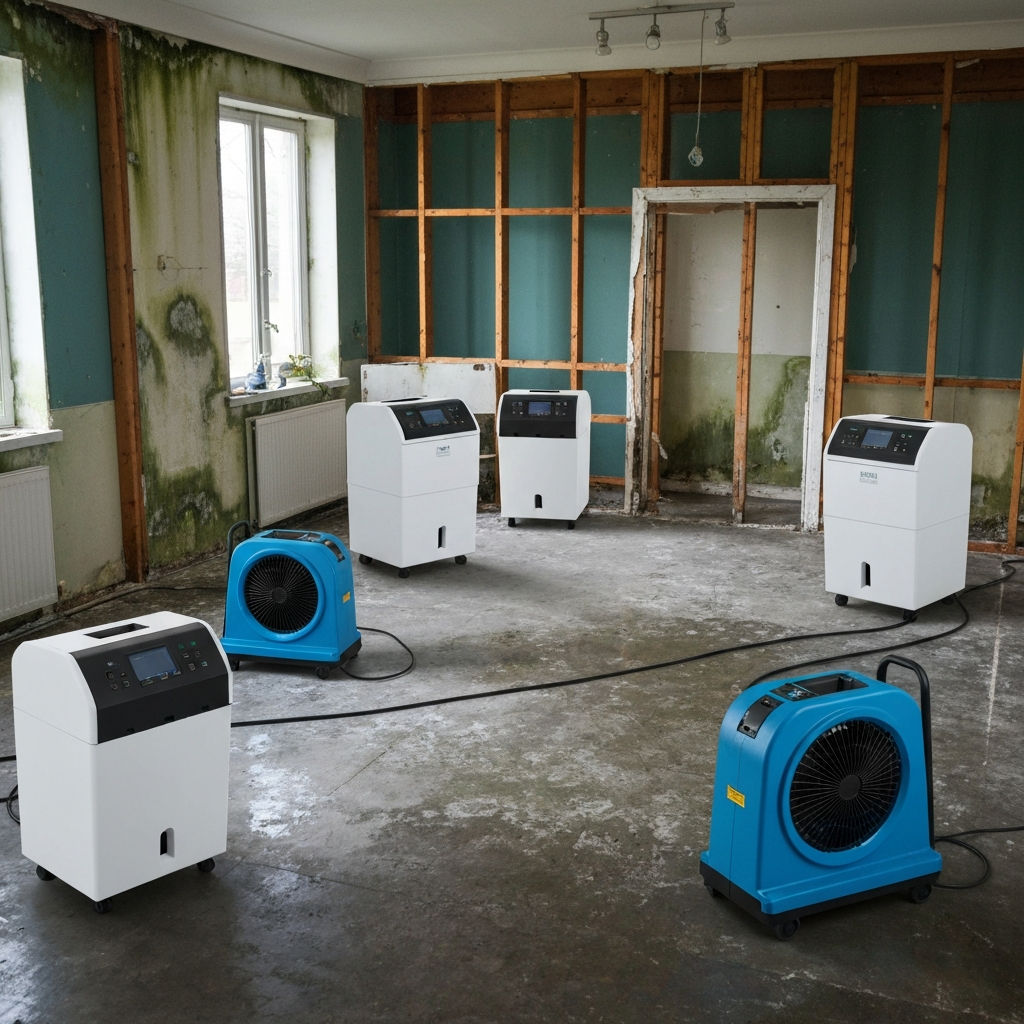
A measured approach to structural drying
Drying needs vary from one property to another. We consider the water source, length of exposure, material type, indoor humidity, air movement, and whether moisture is trapped behind finishes.
Moisture mapping
We document affected and unaffected areas so the drying plan is based on actual moisture patterns.
Air mover placement
We direct airflow across wet materials to encourage evaporation without placing equipment randomly.
Dehumidification
We use dehumidifiers to pull moisture from the air and support continued evaporation from wet building materials.
Targeted access
When moisture is trapped, we may recommend removing baseboards, opening limited sections, or creating access for airflow.
Crawl space drying
We assess wet ground coverings, insulation, joists, subflooring, and ventilation conditions beneath the structure.
Progress monitoring
We revisit the property, record readings, reposition equipment when needed, and confirm when drying goals are reached.
Our structural drying process
Establish moisture conditions
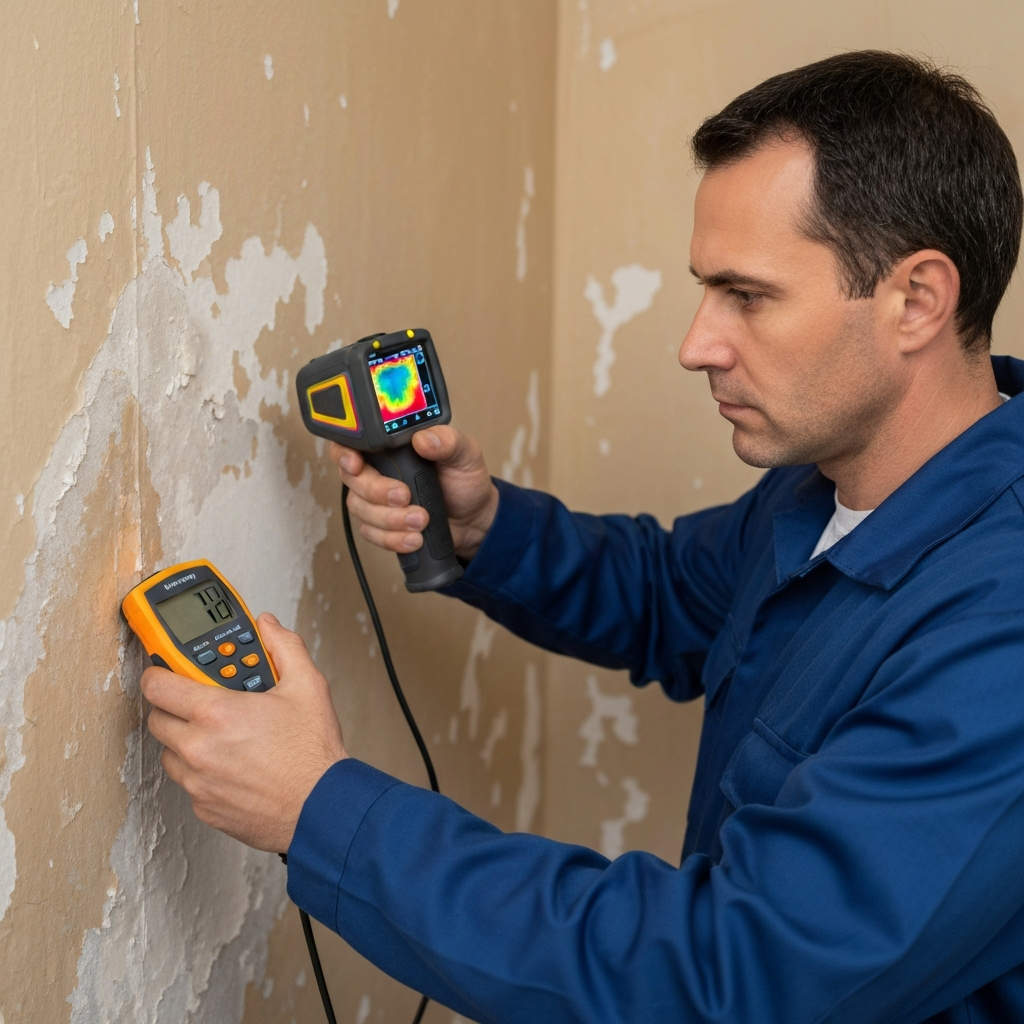
We inspect affected materials and compare wet areas with known dry areas.
Design the drying setup
We calculate an appropriate combination of air movement, dehumidification, and access.
Install equipment
We place equipment to support evaporation and control indoor humidity.
Monitor and adjust
We record drying progress and make changes based on moisture readings and site conditions.
Confirm drying goals
We determine when affected materials have reached appropriate conditions for cleaning, sealing, or repair.
Why Choose Us for Structural Drying and Dehumidification
Readings guide the setup
We use moisture conditions to determine equipment placement and drying progress.
Equipment is adjusted over time
As materials dry, we may reposition or remove equipment to keep the process efficient.
Limited removal when possible
We look for ways to create airflow and access without removing more material than necessary.
Repair planning starts early
We identify damaged finishes and structural materials so reconstruction can be planned while drying is underway.
Estimated structural drying costs
Drying cost depends on the size of the affected area, equipment quantity, monitoring visits, material types, humidity, demolition needs, and drying duration.
| Service | Estimated Cost | Average |
|---|---|---|
| Small focused drying setup | $800–$2,000 | $1,300 |
| Several rooms or mixed materials | $2,000–$6,000 | $3,800 |
| Large property or extended drying | $5,000–$12,000+ | $7,500 |
Ready to get started?
Unsure whether the walls or floor are still wet? Schedule a moisture assessment and drying plan.
Call +1 629-284-4946