5 Signs of Hidden Water Damage in Your Home
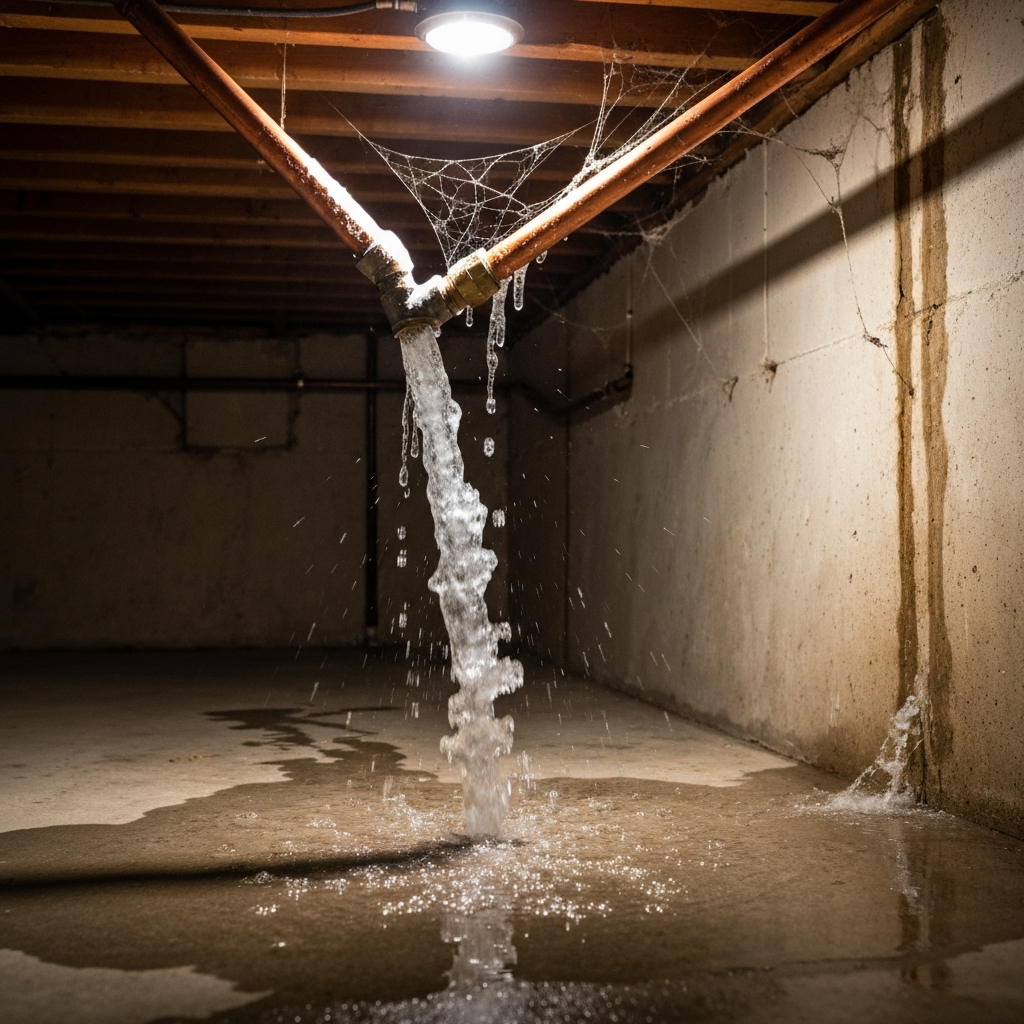
Hidden water damage can develop behind walls, beneath flooring, inside cabinets, or above ceilings without producing an obvious leak. By the time water becomes visible, moisture may already have damaged drywall, insulation, wood, flooring, or other building materials.
Hidden water damage can develop behind walls, beneath flooring, inside cabinets, or above ceilings without producing an obvious leak. By the time water becomes visible, moisture may already have damaged drywall, insulation, wood, flooring, or other building materials.
Recognizing the early warning signs can help you address the source before the problem becomes more extensive. Here are five signs that hidden water damage may be affecting your home.
1. A Persistent Musty Odor
A musty or damp smell is one of the most common signs of hidden moisture.
The odor may be strongest in enclosed or poorly ventilated areas, including:
- Bathrooms
- Basements
- Closets
- Laundry rooms
- Under-sink cabinets
- Crawl spaces
- Rooms next to plumbing fixtures
A musty smell may indicate damp building materials, mildew, or mold growth behind a surface. Air fresheners and cleaning products may temporarily cover the odor, but they will not correct the underlying moisture problem.
If the smell continues after cleaning and ventilation, the area may need a professional moisture inspection.
2. Peeling, Bubbling, or Warped Surfaces
Water trapped behind walls or beneath finishes can cause materials to change shape or lose adhesion.
Watch for:
- Bubbling paint
- Peeling wallpaper
- Swollen baseboards
- Warped cabinets
- Buckled flooring
- Soft drywall
- Loose tile
- Sagging ceiling sections
These changes may appear slowly and can be mistaken for normal wear. However, damage that continues to spread or returns after repair often points to an unresolved leak.
A sagging ceiling may indicate water accumulation above the surface and should be treated as a safety concern.
3. Unexplained Stains or Discoloration
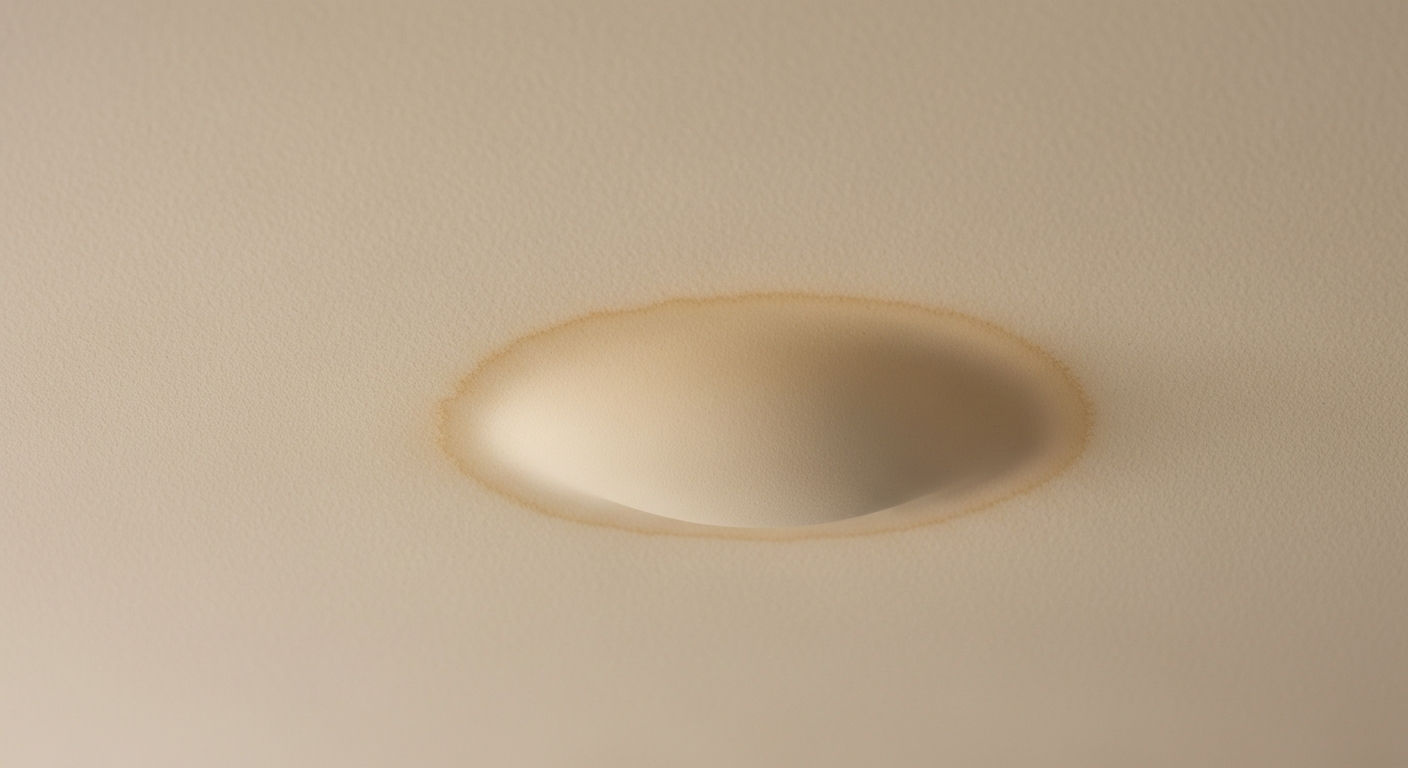
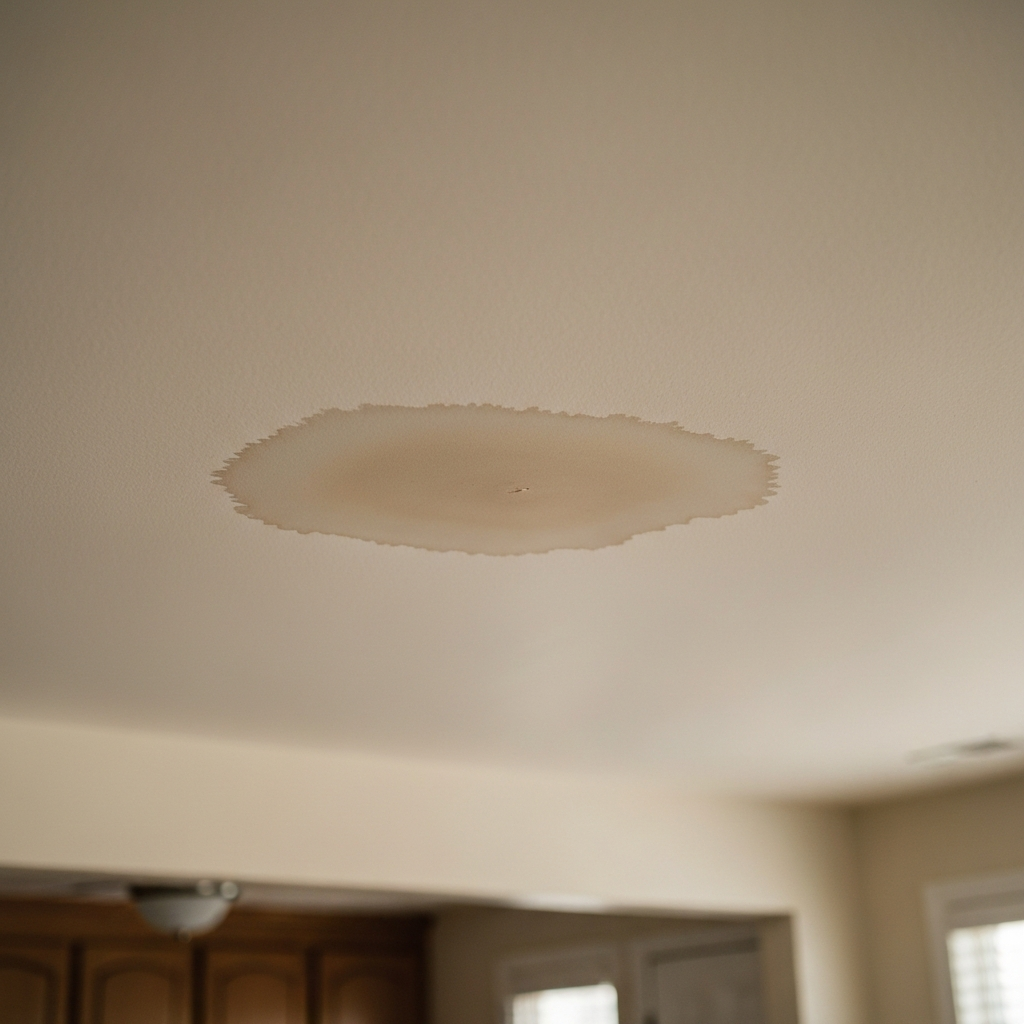
Brown, yellow, gray, or dark patches on walls and ceilings may indicate water moving through building materials.
Hidden leaks can produce:
- Circular ceiling stains
- Dark marks near baseboards
- Discoloration around windows
- Streaks below plumbing fixtures
- Damp-looking patches on drywall
- Stains inside cabinets
The location of the stain does not always reveal the exact source. Water can travel along pipes, framing, insulation, and other materials before becoming visible.
A ceiling stain, for example, may come from a roof leak, an upstairs bathroom, a plumbing line, or condensation.
4. An Unexpected Increase in Your Water Bill
A higher water bill may be an early sign of a hidden plumbing leak, especially when your household’s water use has not changed.
Possible sources include:
- Pipes behind walls
- Leaking toilet components
- Water-heater connections
- Appliance supply lines
- Pipes beneath the floor
- Outdoor irrigation systems
- Plumbing beneath the foundation
To perform a basic check, turn off faucets, appliances, and other water-using fixtures. Then observe your water meter. Continued movement may indicate that water is still flowing somewhere in the system.
A plumber can use specialized leak-detection equipment when the source cannot be located visually.
5. Mold, Mildew, or Recurring Humidity
Visible mold or mildew may be a sign that moisture is collecting nearby.
Growth may appear around:
- Window frames
- Ceiling corners
- Bathroom walls
- Cabinets
- Air vents
- Baseboards
- Carpet edges
- Plumbing penetrations
You may also notice excessive condensation, damp air, or a room that feels more humid than the rest of the home.
Poor ventilation can contribute to surface mildew, particularly in bathrooms. However, recurring growth after cleaning may indicate a leak, inadequate waterproofing, or moisture trapped inside the wall or floor.
Avoid disturbing a large or widespread area of suspected mold. A qualified professional can help determine the source and appropriate cleanup method.
Other Warning Signs of Hidden Water Damage
Hidden moisture may also produce less obvious symptoms, including:
- Dripping or running-water sounds when fixtures are off
- Cold or damp spots on walls
- Crumbling drywall
- Rust on pipes or fasteners
- Loose caulk or grout
- Insect activity near damp wood
- Soft or spongy flooring
- Cracks that continue to expand
- Doors or cabinets that suddenly stick
- Flooring that feels unusually warm or cool
Any single symptom may have another explanation. Several signs appearing in the same area make hidden water damage more likely.
Common Sources of Hidden Water Damage
Water can enter a home from plumbing problems, weather exposure, appliance failures, or poor drainage.
Common sources include:
- Slow pipe leaks
- Damaged roofs
- Failed shower waterproofing
- Leaking toilets
- Cracked appliance hoses
- Clogged gutters
- Window and siding leaks
- Condensation around ductwork
- Foundation seepage
- Water-heater leaks
- Air-conditioning drainage problems
Because water can travel before it becomes visible, the damaged area may not be directly beside the original source.
What to Do If You Suspect Hidden Water Damage
Start by avoiding unnecessary contact with the affected area, especially when there is visible mold, sagging material, or water near electrical components.
When it is safe:
- Turn off the suspected water source.
- Shut off the main water supply if necessary.
- Move furniture and belongings away from the area.
- Photograph visible damage.
- Contact a plumber, roofer, restoration company, or other appropriate professional.
- Notify your insurance provider when the damage may be covered.
- Avoid repainting or covering the area until it has been inspected and dried.
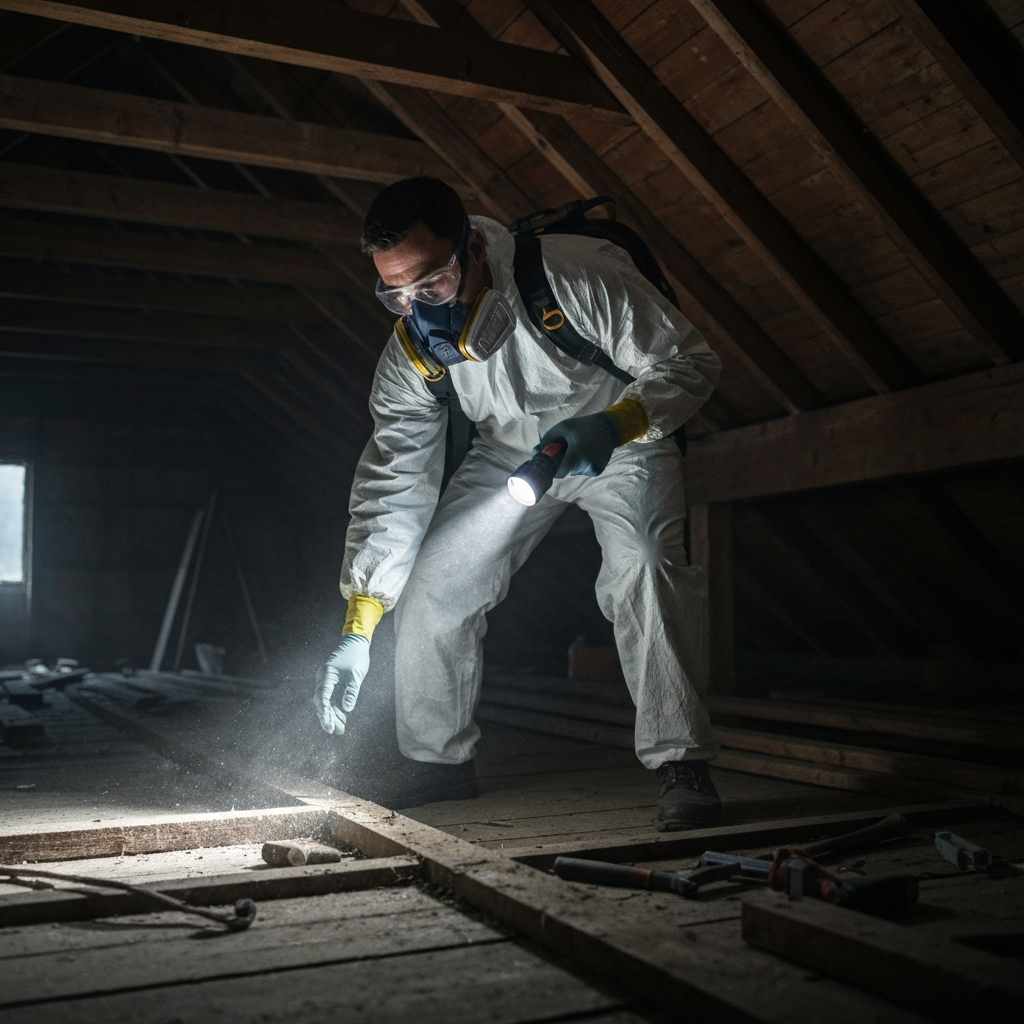
Moisture meters, thermal imaging, plumbing tests, and targeted inspections may help locate hidden leaks without unnecessary demolition.
Why Hidden Water Damage Should Not Be Ignored
Even a slow leak can damage drywall, insulation, framing, cabinets, and flooring over time. Moisture may also create conditions that support mold growth or wood deterioration.
Repairing only the visible stain or damaged paint will not stop the problem from returning. The source must be identified, repaired, and properly dried before cosmetic restoration begins.
Protect Your Home by Acting Early
Persistent odors, warped surfaces, unexplained stains, rising water bills, and recurring mold can all indicate hidden water damage.
Pay attention to changes in your home, especially near plumbing fixtures, appliances, windows, roofs, and exterior walls. Early inspection can help limit damage, reduce repair costs, and protect the condition of your property.
A qualified water-damage or leak-detection professional can locate the moisture source, measure the affected area, and recommend the appropriate next steps.