Understanding Mold Remediation in Humid Climates
Georgia's humidity makes homes susceptible to mold. Discover how professional remediation works and why quick action is crucial.
Georgia’s warm, humid climate creates ideal conditions for mold growth. Heavy rain, high indoor humidity, roof leaks, plumbing problems, and moisture in crawlspaces can all allow mold to develop inside a home or commercial property.
Mold remediation involves more than cleaning visible spots from a wall. A professional process focuses on finding the moisture source, containing the affected area, removing contaminated materials when necessary, and drying the property thoroughly to help prevent the problem from returning.
Understanding how mold remediation works can help property owners respond quickly and avoid more extensive damage.
Why Mold Is Common in Georgia
Mold needs moisture and an organic material to grow. Homes contain many materials that can support growth, including drywall, wood, insulation, carpet, ceiling tiles, and dust.
Georgia properties are frequently exposed to moisture from:
- High outdoor humidity
- Heavy rainfall and storms
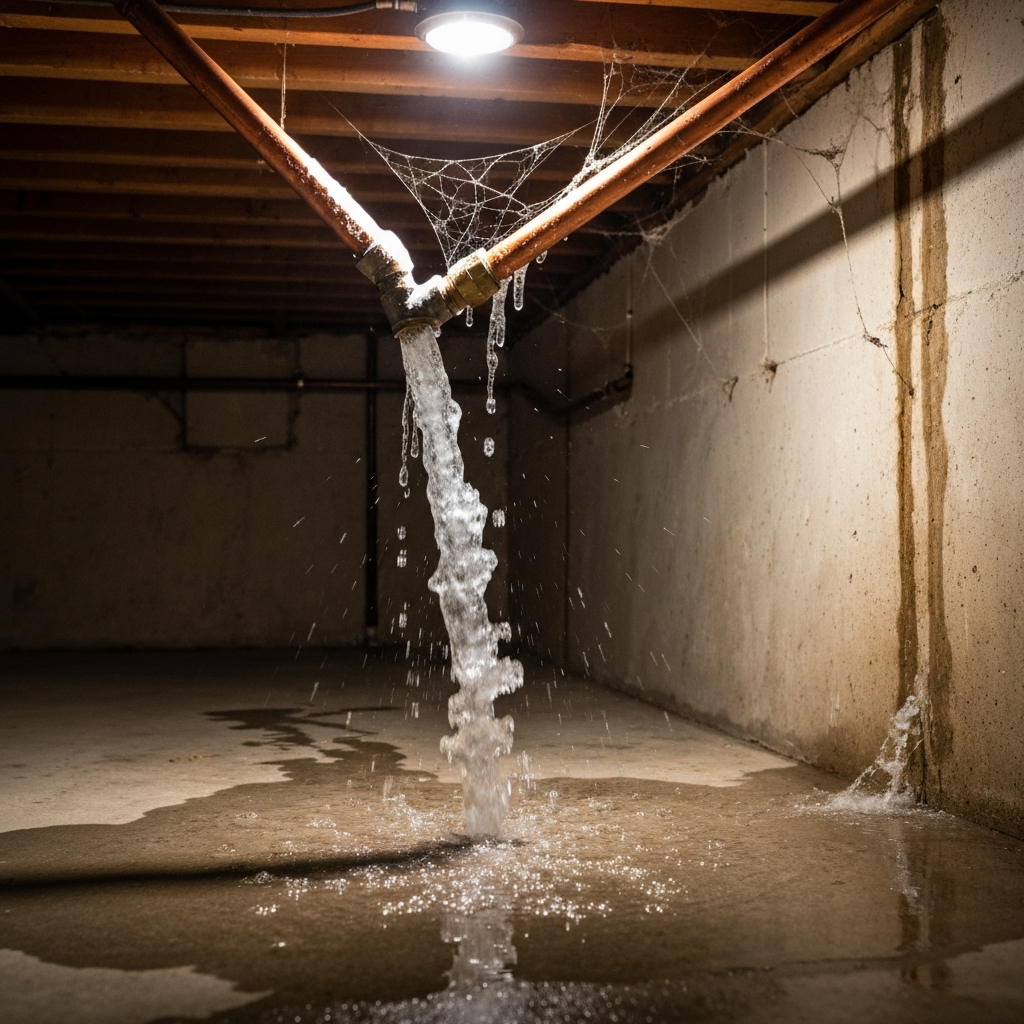
- Roof and plumbing leaks
- Crawlspace moisture
- Poor bathroom ventilation
- Air-conditioning condensation
- Foundation seepage
- Flooding or appliance failures
Mold can begin developing in hidden areas before it becomes visible. This is why moisture control is an essential part of property maintenance in humid climates.
Common Signs of a Mold Problem
Mold is not always easy to identify. It may grow behind walls, beneath floors, inside cabinets, or within attics and crawlspaces.
Possible warning signs include:
- Persistent musty odors
- Dark, green, white, or discolored patches
- Peeling or bubbling paint
- Warped drywall or flooring
- Recurring condensation
- Damp carpet or insulation
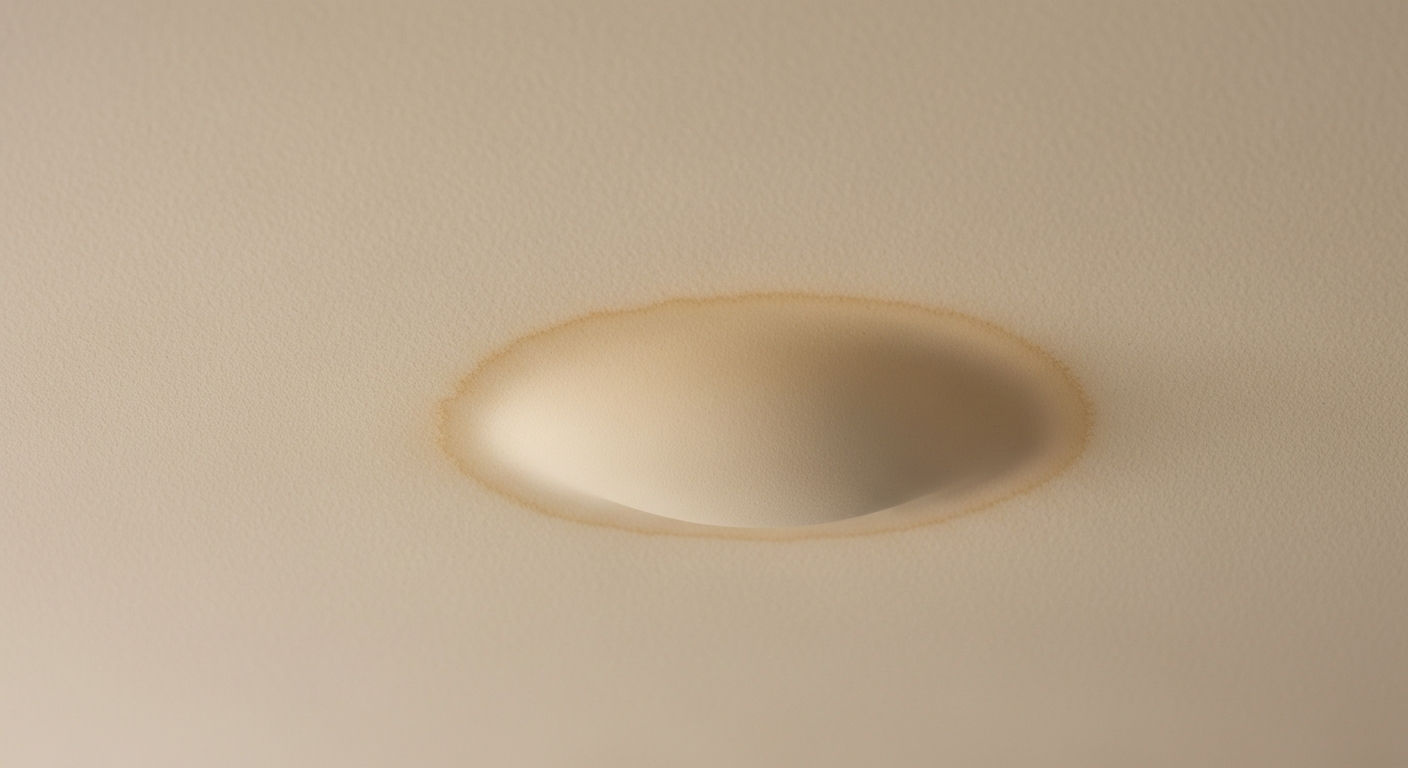
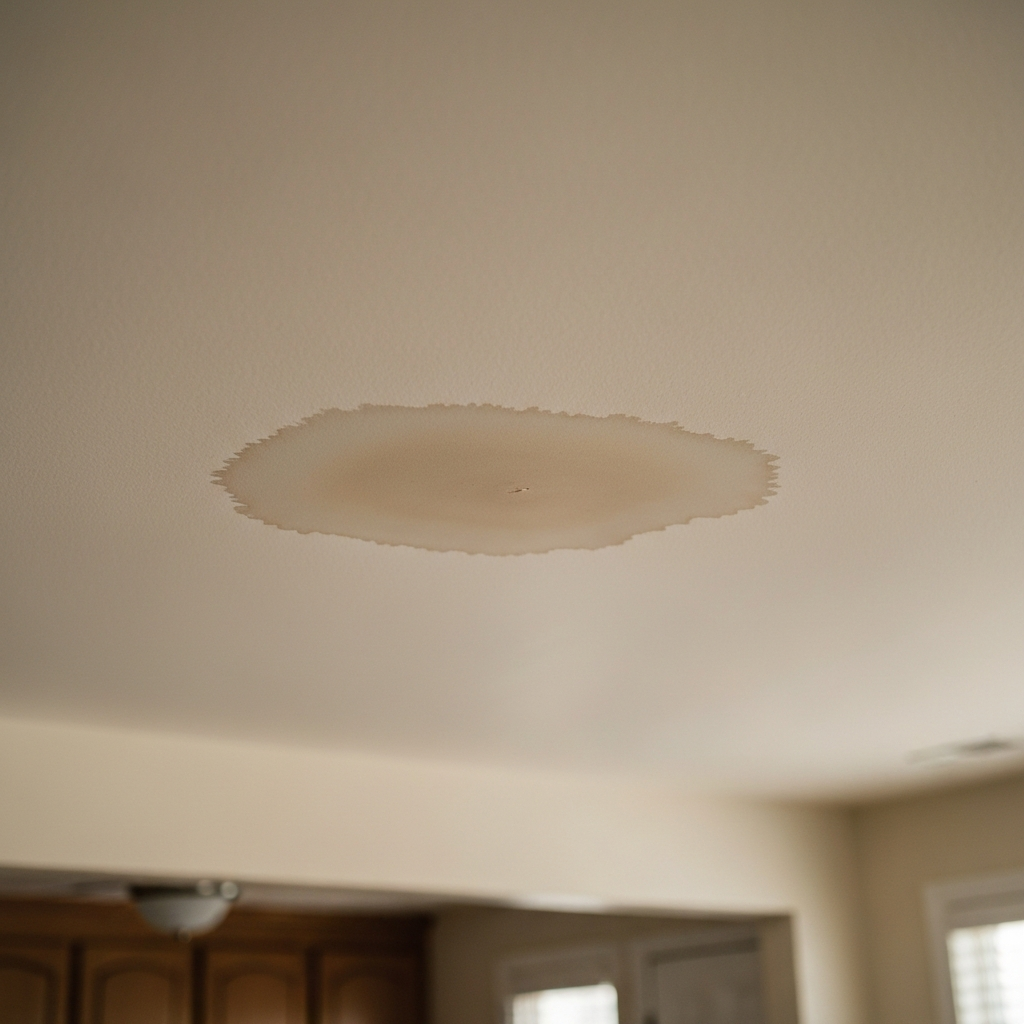
- Water stains on ceilings and walls
- Previous water damage that was not professionally dried
A musty smell that returns after cleaning may indicate hidden moisture or growth behind a surface.
What Is Mold Remediation?
Mold remediation is the controlled process of addressing mold contamination and the conditions that caused it.
The goal is not simply to make the mold disappear. Effective remediation generally includes:
- Locating the moisture source
- Evaluating the extent of the affected area
- Preventing spores and debris from spreading
- Removing materials that cannot be safely cleaned
- Cleaning salvageable surfaces
- Drying the structure
- Confirming that moisture levels have returned to an acceptable range
Without correcting the underlying moisture problem, mold may return after cleaning.
Step 1: Inspecting the Property
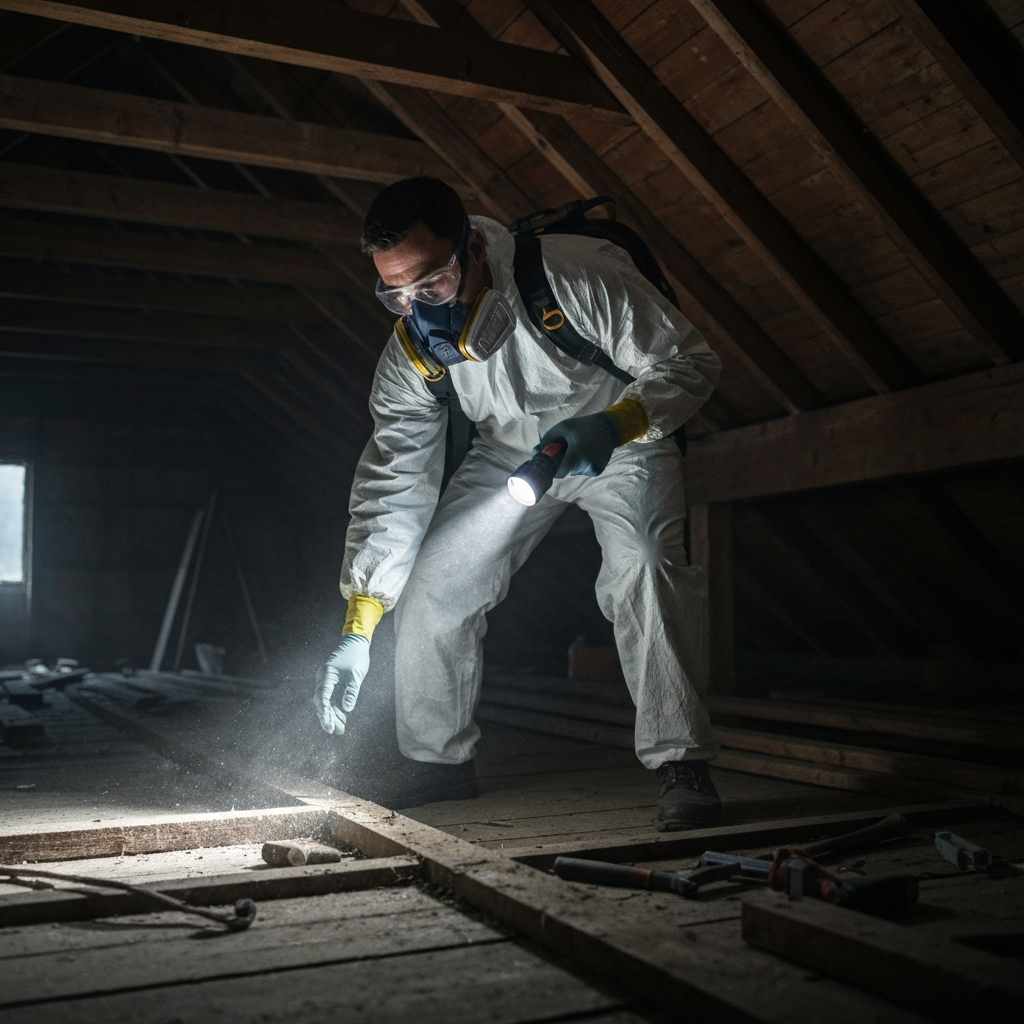
The process usually begins with a detailed inspection. A restoration professional will look for visible growth, water damage, humidity problems, and conditions that may be allowing moisture into the property.
Areas that often require close attention include:
- Crawlspaces
- Attics
- Bathrooms
- Laundry rooms
- Kitchens
- Basements
- Areas around windows and doors
- Rooms beneath roof or plumbing leaks
- Spaces near heating and cooling equipment
The inspection helps determine how far the moisture and contamination may have spread.
Step 2: Finding Hidden Moisture
Visible mold may be only part of the problem. Water can travel through framing, insulation, drywall, and flooring before it appears on the surface.
Professional restoration teams may use tools such as:
- Moisture meters
- Thermal-imaging cameras
- Humidity meters
- Air-quality or surface testing when appropriate
- Targeted inspection openings
Thermal imaging can help identify temperature differences associated with damp materials, while moisture meters provide direct readings from the affected surfaces.
These tools help technicians investigate suspicious areas without relying only on visible signs.
Step 3: Stopping the Moisture Source
Mold remediation will not provide lasting results unless the source of the moisture is repaired.
Depending on the situation, this may involve:
- Repairing a leaking pipe
- Fixing roof damage
- Improving drainage
- Correcting crawlspace moisture
- Replacing a damaged appliance hose
- Repairing shower waterproofing
- Improving ventilation
- Addressing air-conditioning condensation
The type of contractor needed may depend on the cause. A plumber, roofer, heating and cooling technician, or drainage specialist may need to complete repairs before restoration can proceed.
Step 4: Containing the Affected Area
Containment helps prevent mold spores, dust, and damaged-material debris from spreading into unaffected areas.
The remediation team may isolate the work zone using plastic barriers and controlled airflow. Air-filtration devices may also be used during removal and cleaning.
The containment method depends on the size, location, and severity of the contamination.
Property owners should avoid placing fans directly on suspected mold because uncontrolled airflow may spread particles throughout the building.
Step 5: Removing Damaged Materials
Some nonporous materials can be cleaned, but porous materials may need to be removed when mold growth or water damage is extensive.
Materials that may require removal include:
- Drywall
- Insulation
- Carpet and padding
- Ceiling tiles
- Damaged wood products
- Upholstered materials
- Some cabinetry components
The decision depends on the material, the level of contamination, and whether it can be fully cleaned and dried.
Removing damaged material without proper containment can spread debris and create additional cleanup work.
Step 6: Cleaning the Remaining Surfaces
After unsalvageable materials are removed, the remaining surfaces are cleaned using methods appropriate for the material and the level of contamination.
This process may involve:
- HEPA-filtered vacuuming
- Damp wiping
- Specialized cleaning products
- Surface agitation
- Controlled disposal of contaminated debris
Simply painting over mold or applying a household spray does not correct hidden growth, damaged material, or an active moisture source.
Step 7: Drying and Dehumidification
Drying is especially important in Georgia because humid outdoor air can slow evaporation and allow moisture to remain trapped inside building materials.
Professional-grade equipment may include:
- Commercial dehumidifiers
- Air movers
- HEPA air-filtration devices
- Moisture-monitoring equipment
Technicians track moisture readings during the drying process rather than assuming the property is dry because the surface looks normal.
This step helps reduce the chance of continued deterioration, odors, and recurring mold growth.
Why Quick Action Matters
The longer moisture remains in a property, the more opportunity it has to spread into walls, floors, cabinets, insulation, and structural materials.
Early action may help:
- Limit the affected area
- Reduce the amount of material that must be removed
- Prevent additional staining and warping
- Protect furniture and personal belongings
- Reduce repair costs
- Shorten the restoration process
A small leak can become a larger restoration project when it remains undetected for an extended period.
Why Crawlspaces and Attics Need Special Attention
Crawlspaces and attics are common problem areas in humid climates because they may have limited airflow and are not inspected as often as living spaces.
Crawlspace moisture may come from:
- Ground vapor
- Plumbing leaks
- Poor drainage
- Open vents
- Foundation seepage
- Condensation on ducts or pipes
Attic moisture may result from:
- Roof leaks
- Inadequate ventilation
- Bathroom exhaust venting into the attic
- Air leaks from the living space
- Condensation on cool surfaces
Because these areas are often hidden, damage can continue for months before homeowners notice an odor, stain, or visible growth.
Can You Clean Mold Yourself?
Small areas of surface growth caused by a minor, corrected moisture issue may sometimes be manageable with appropriate precautions.
Professional evaluation is generally more appropriate when:
- The affected area is large
- Mold keeps returning
- The source is hidden
- Drywall, insulation, or flooring is damaged
- The property experienced flooding
- Contaminated water was involved
- The growth is inside air-handling equipment
- Occupants have health concerns
- Structural damage may be present
Do not disturb an extensive area of suspected mold without proper containment and protective equipment.
Insurance Documentation and Mold Remediation
Insurance coverage varies depending on the policy and the cause of the damage. Sudden water damage may be treated differently from long-term moisture, maintenance problems, or flooding.
Professional restoration documentation may include:
- Photographs
- Moisture readings
- Affected-area diagrams
- Equipment logs
- Removal records
- Repair estimates
- Detailed descriptions of the damage
Property owners should report covered damage promptly and keep copies of all inspection reports, invoices, and photographs.
Preventing Mold in a Humid Climate
Mold prevention begins with moisture control.
Property owners can reduce risk by:
- Repairing leaks promptly
- Maintaining gutters and downspouts
- Using bathroom and kitchen exhaust fans
- Monitoring indoor humidity
- Inspecting crawlspaces and attics
- Servicing heating and cooling systems
- Checking appliance supply lines
- Improving drainage around the foundation
- Drying wet materials quickly
- Investigating musty odors rather than masking them
Routine inspections are especially important after major storms, plumbing failures, or periods of unusually high humidity.
Protect Your Property with Early Intervention
Mold remediation in a humid climate requires more than removing visible growth. A complete response should identify the moisture source, locate hidden damage, contain the affected area, remove materials that cannot be restored, and dry the property thoroughly.
Musty odors, water stains, damp surfaces, and recurring mold should not be ignored. Early intervention can limit secondary damage and reduce the chance of a small moisture problem becoming a major restoration project.
A professional mold-remediation or water-restoration team can inspect the property, document the damage, and develop a plan based on the source and extent of the problem.