5 Signs of Water Damage in Your Home
Catching the warning signs early can help prevent mold growth, structural damage, ruined flooring, and costly repairs. Here are five common signs that your home may have water damage.
Water damage is not always easy to spot. A leaking pipe, damaged roof, or hidden moisture problem can develop behind walls, under floors, or above ceilings long before water becomes visible.
Catching the warning signs early can help prevent mold growth, structural damage, ruined flooring, and costly repairs. Here are five common signs that your home may have water damage.
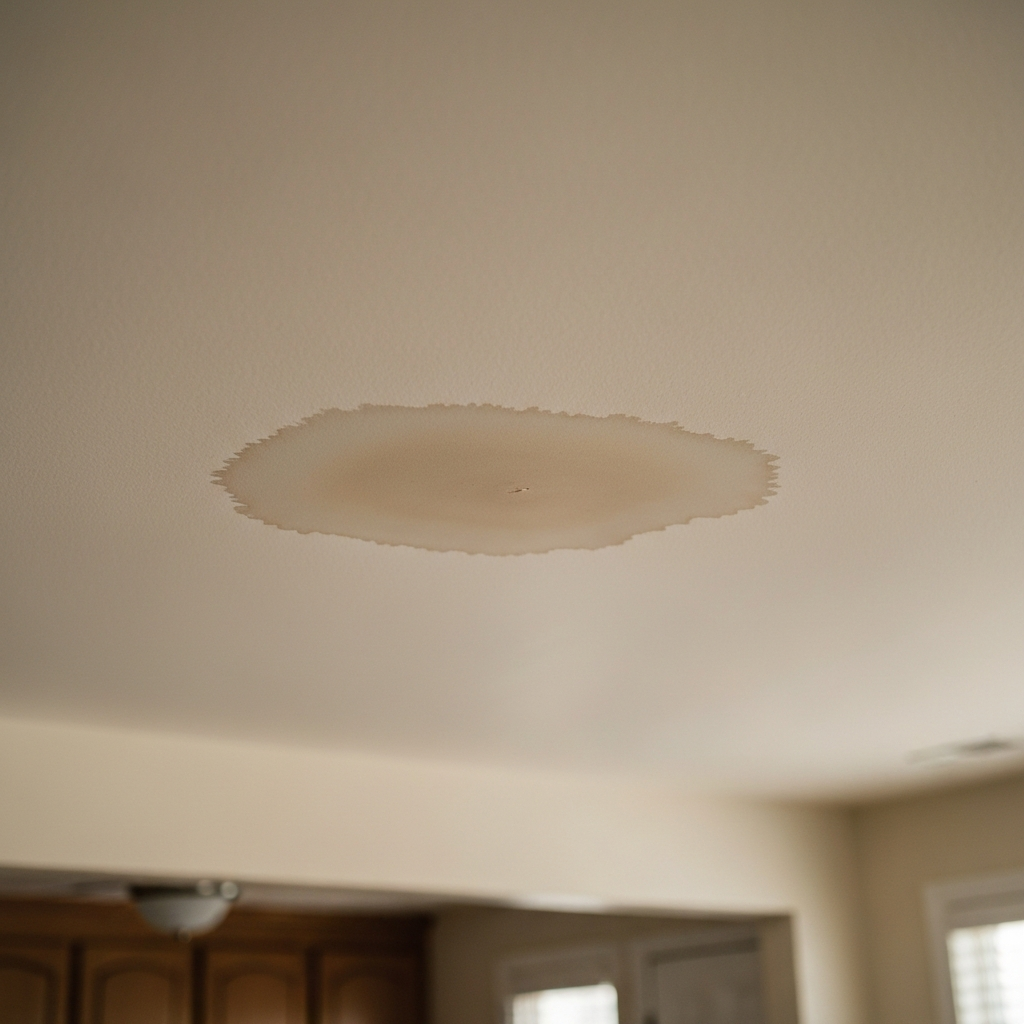
1. Stains or Discoloration on Walls and Ceilings
Brown, yellow, or dark stains on walls and ceilings are among the most recognizable signs of water damage. These marks often appear as rings, streaks, or irregular patches.
Common causes include:
- Roof leaks
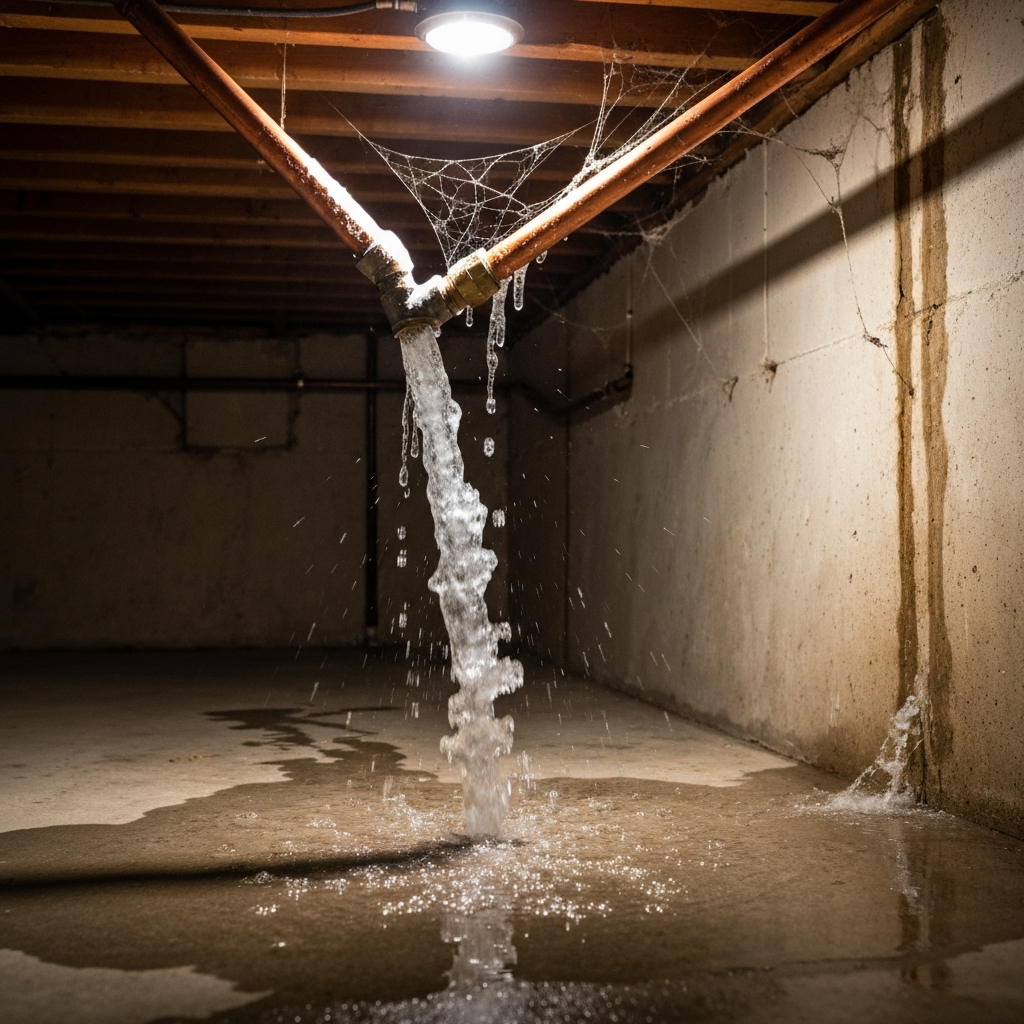
- Plumbing leaks
- Overflowing fixtures
- Damaged appliances
- Condensation
- Leaks from an upstairs bathroom
A stain may dry temporarily even though the source of the leak is still active. Painting over the area will not solve the underlying problem. If a stain grows, changes color, or returns after rain or water use, the area should be inspected as soon as possible.
2. Peeling, Bubbling, or Cracking Paint
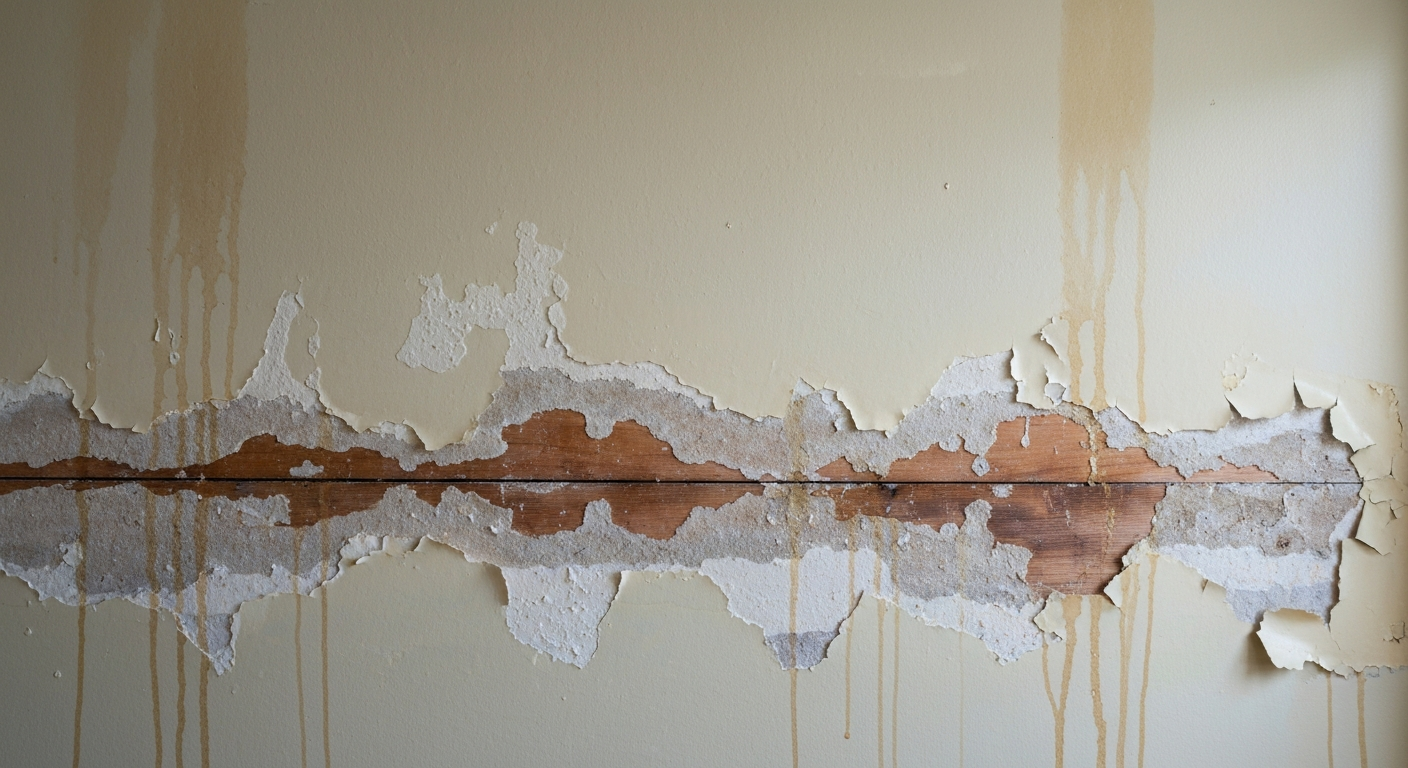
Moisture behind a painted surface can cause the paint to lose adhesion. You may notice bubbling, blistering, peeling, or cracking on walls and ceilings. Wallpaper may also begin to loosen, curl, or separate at the seams.
These problems are especially common near:
- Bathrooms
- Kitchens
- Laundry rooms
- Windows
- Exterior walls
- Plumbing fixtures
Damaged paint can be a cosmetic issue, but it may also indicate moisture trapped behind drywall. The source of the water should be identified before the surface is repaired or repainted.
3. Musty Odors or Visible Mold
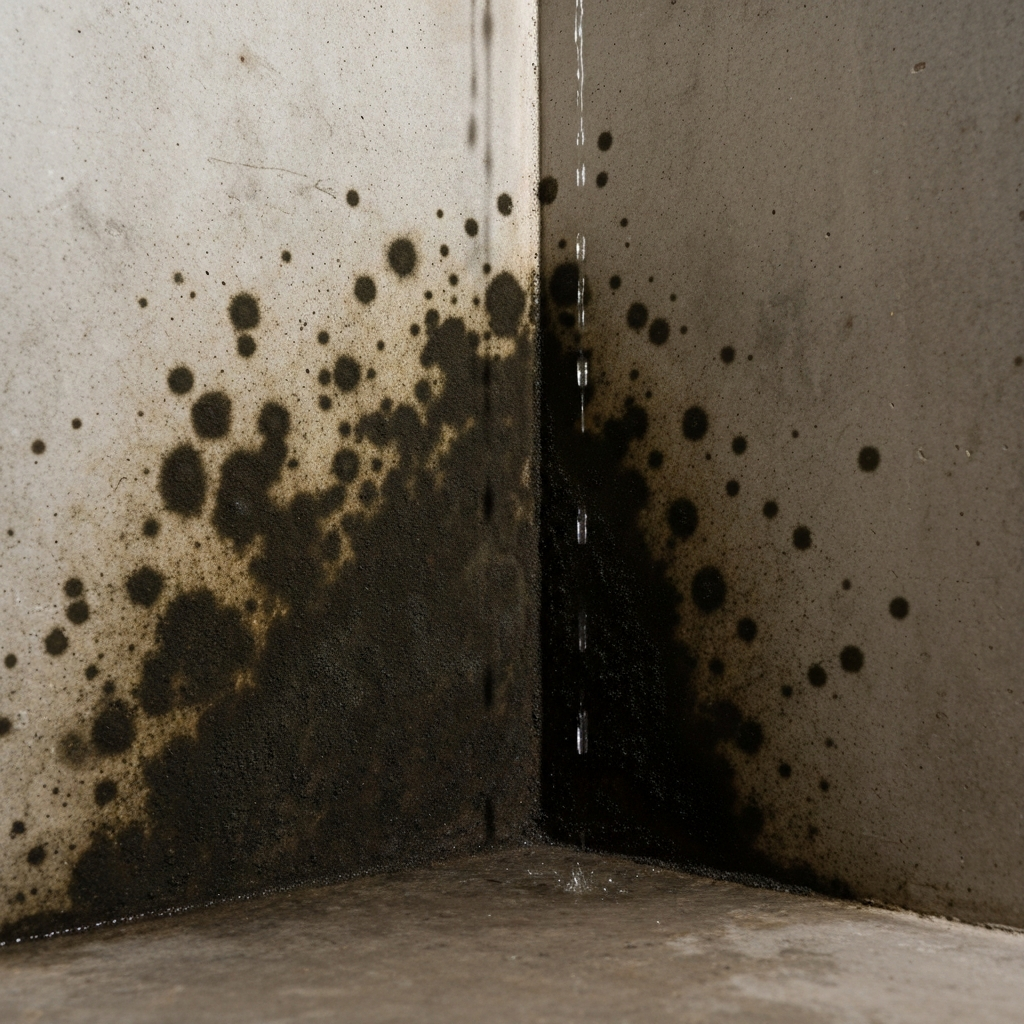
A persistent musty smell may indicate hidden moisture, even when no water is visible. Damp environments allow mold and mildew to grow on drywall, wood, carpet, insulation, and other materials. Mold may appear as black, green, white, gray, or brown spots.
Check areas such as:
- Under sinks
- Around tubs and showers
- Behind appliances
- Inside cabinets
- Near windows
- In basements and crawl spaces
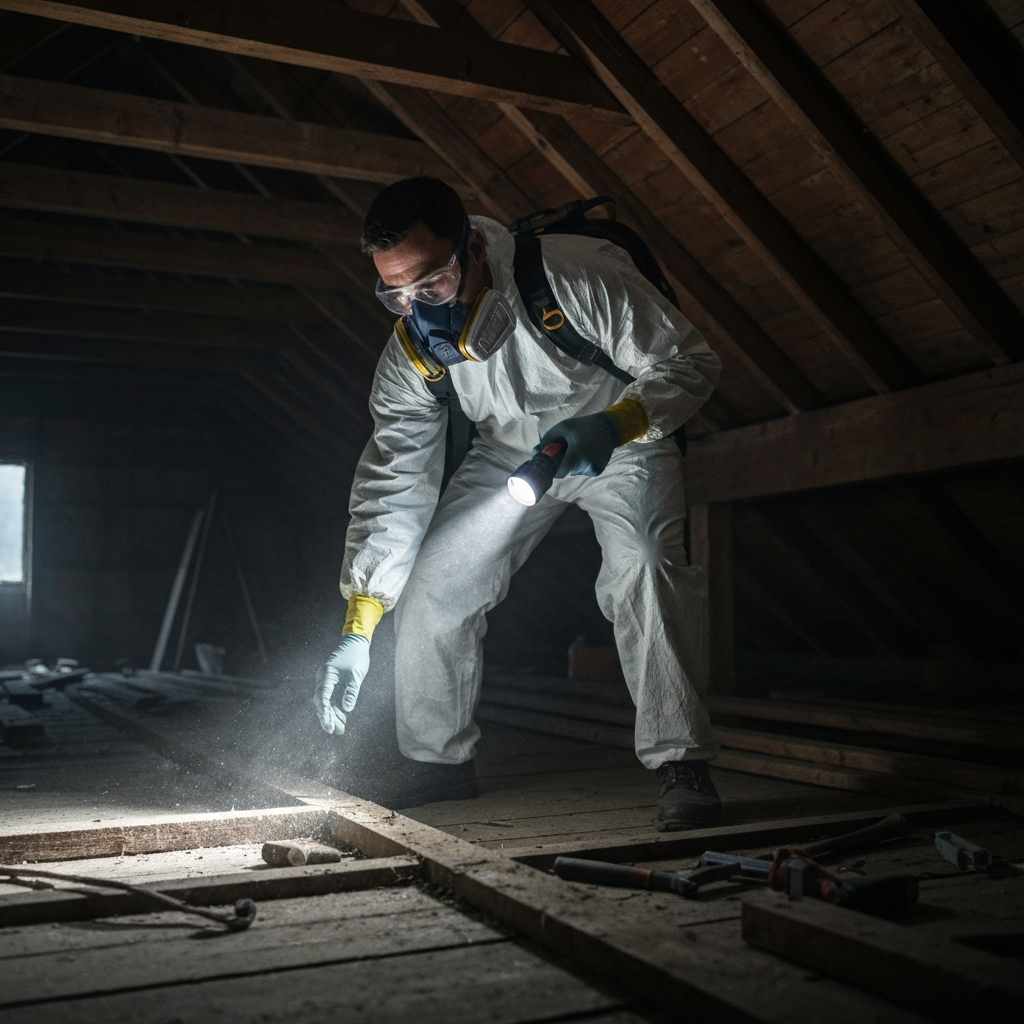
Small amounts of surface mildew may result from poor ventilation, but widespread or recurring growth may point to a leak or ongoing moisture problem. Avoid disturbing a large area of suspected mold. Contact a qualified professional when the affected area is extensive, hidden, or connected to contaminated water.
4. Warped Floors, Walls, or Cabinets
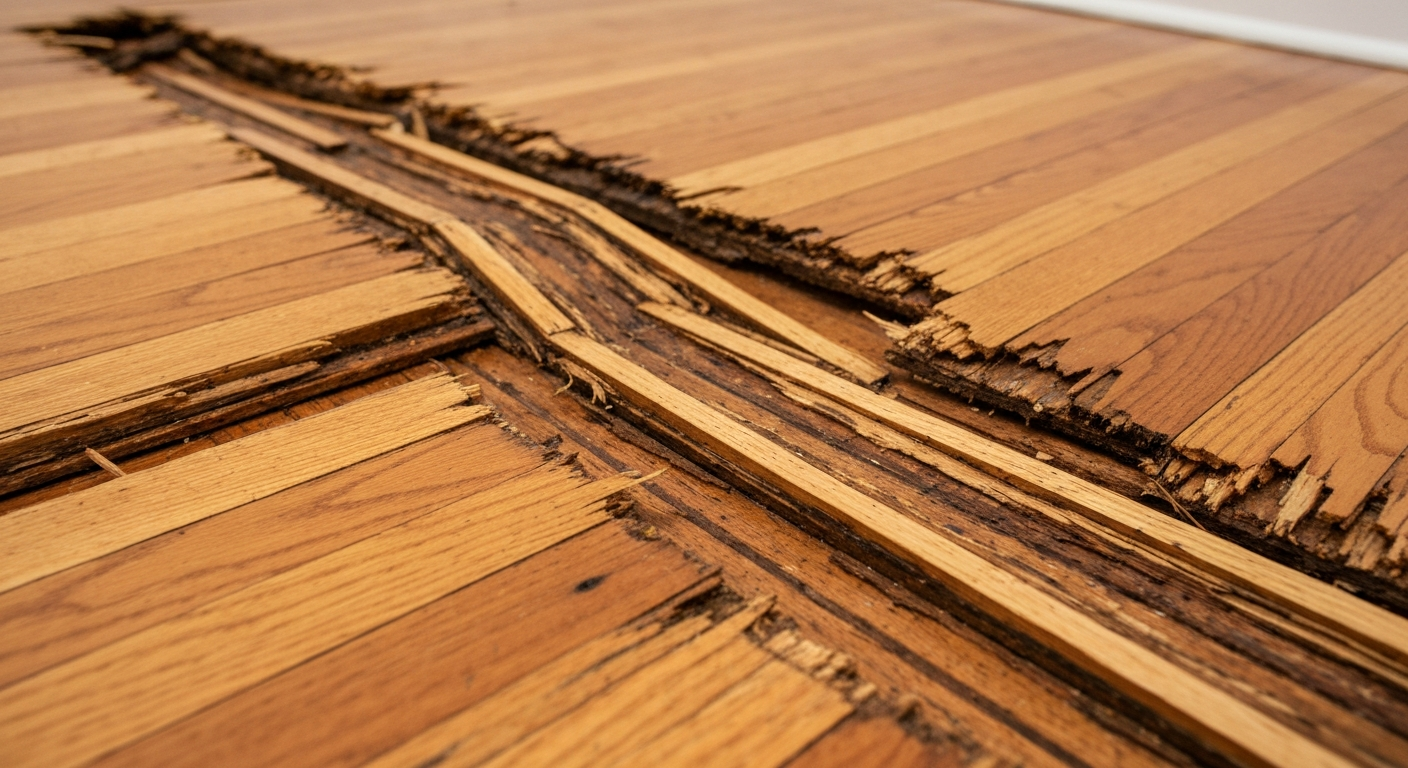
Water can cause building materials to swell, bend, soften, or separate.
Possible warning signs include:
- Buckled hardwood flooring
- Loose or lifting tile
- Swollen baseboards
- Soft drywall
- Warped cabinets
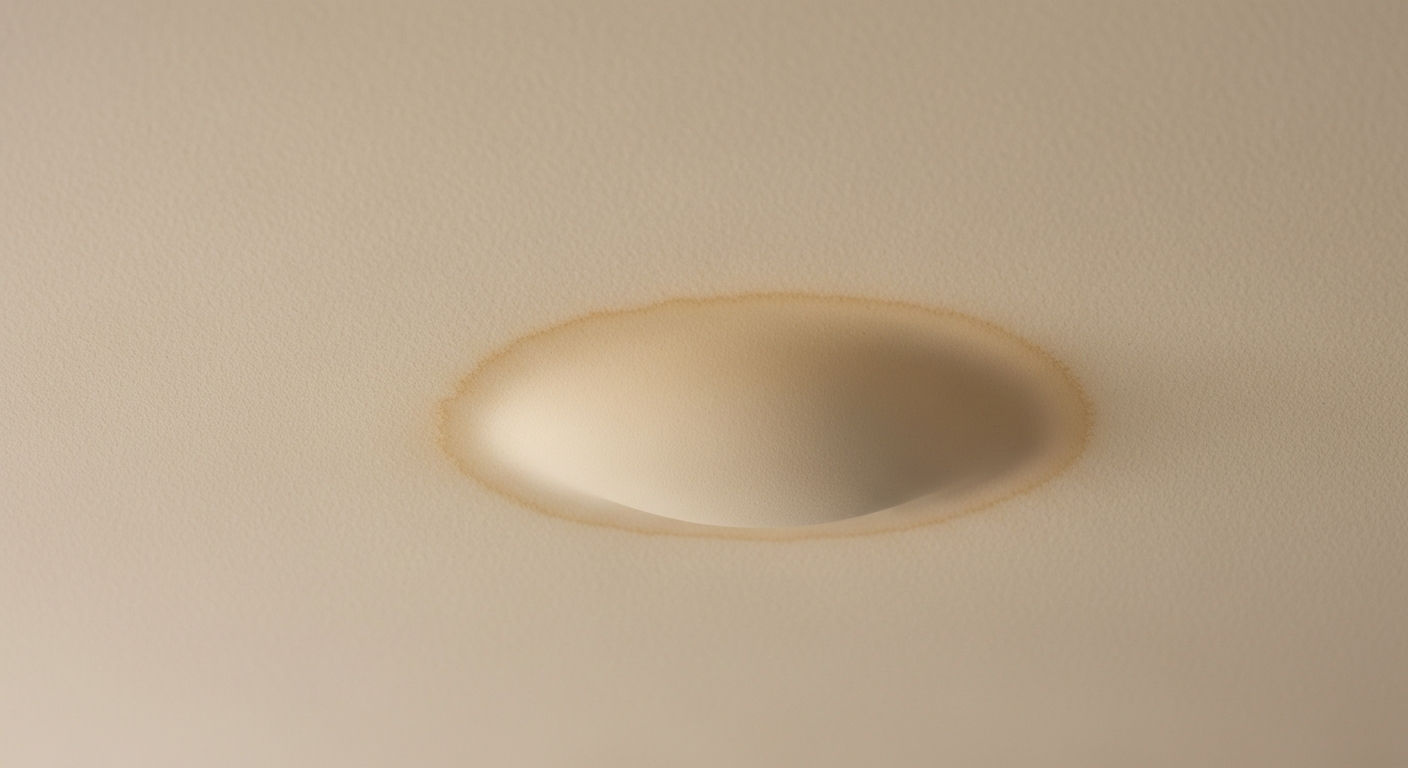
- Sagging ceilings
- Uneven or spongy floors
Laminate and engineered flooring may develop raised edges after absorbing moisture. Wood cabinets can swell near plumbing connections, while drywall may feel soft or crumbly. These changes often indicate that water has been present for some time.
A sagging ceiling can be especially dangerous because water may be collecting above it. Keep people away from the area and contact a professional promptly.
5. An Unexplained Increase in Your Water Bill
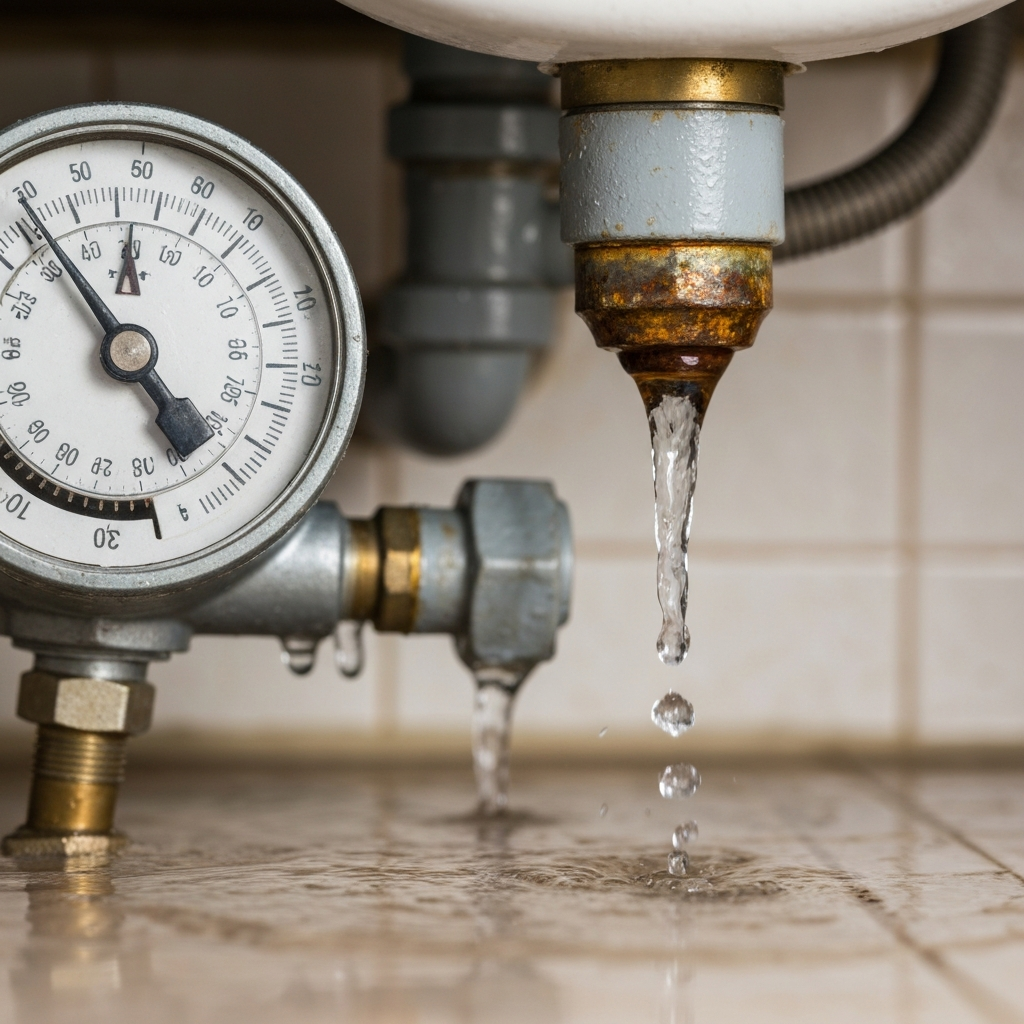
A sudden increase in water use may indicate a hidden plumbing leak.
If your household habits have not changed but your bill has risen, check for:
- Running toilets
- Dripping faucets
- Leaking water heaters
- Damaged appliance hoses
- Irrigation leaks
- Pipes leaking behind walls or under floors
You can also turn off all faucets, appliances, and water-using fixtures, then check the water meter. If the meter continues moving, water may still be flowing somewhere in the system. A plumber can perform leak-detection testing when the source is not obvious.
Other Warning Signs to Watch For
Water damage can appear in several other ways. Additional signs may include:
- Condensation that does not go away
- Rust around pipes or fixtures
- Loose caulk or grout
- Damp carpet
- Puddles near appliances
- Cracks in walls or foundations
- Insect activity near damp wood
- Water sounds when fixtures are off
One sign does not always confirm serious damage, but recurring or worsening symptoms should not be ignored.
Common Causes of Water Damage
Understanding where water damage begins can help homeowners respond more quickly. Frequent causes include:
- Roof leaks
- Burst or leaking pipes
- Clogged gutters
- Damaged siding
- Foundation problems
- Appliance failures
- Overflowing toilets or tubs
- Poor bathroom ventilation
- Failed waterproofing
- Storm and flood damage
Older plumbing, worn seals, and neglected maintenance can increase the chance of a leak.
What to Do When You Find Water Damage
Begin by stopping the water source when it is safe to do so. This may involve turning off a fixture, closing the home’s main water valve, or contacting a plumber.
Avoid standing water near electrical outlets, appliances, or wiring. Shut off power only when it can be done safely from a dry location. Contact emergency services or a qualified professional when there is an immediate electrical or structural danger.
Once the source is controlled:
- Keep people and pets away from the affected area.
- Move undamaged belongings to a dry location.
- Take photographs for documentation.
- Remove standing water when it is safe.
- Begin drying the area quickly.
- Contact the appropriate repair or restoration professional.
- Notify your insurance provider when necessary.
Drying only the visible surface may not be enough. Moisture can remain inside walls, insulation, subfloors, and cabinets.
Why You Should Act Quickly
Water damage often becomes more difficult to repair the longer it remains untreated. Moisture can weaken building materials, damage finishes, and create conditions that support mold growth.
Early action may reduce the extent of demolition and repairs. It can also help protect furniture, flooring, drywall, and personal belongings. The affected area should be properly dried before cosmetic repairs begin.
Protect Your Home from Further Damage
Stains, peeling paint, musty odors, warped materials, and unexpected water bills can all point to a moisture problem.
Do not assume the issue has resolved simply because the visible water has dried. Finding and repairing the source is essential to prevent the damage from returning.
A professional inspection can help identify hidden moisture, determine the extent of the damage, and recommend the appropriate repair process. Addressing the problem early can protect your home and help avoid more extensive damage later.